Creative comparison
oiioii vs anime: which route fits your project?
This oiioii vs anime guide compares two different creative directions without pretending they solve the same problem. Use the scenarios, matrix, and pitfalls below to choose the workflow that matches your intended result.
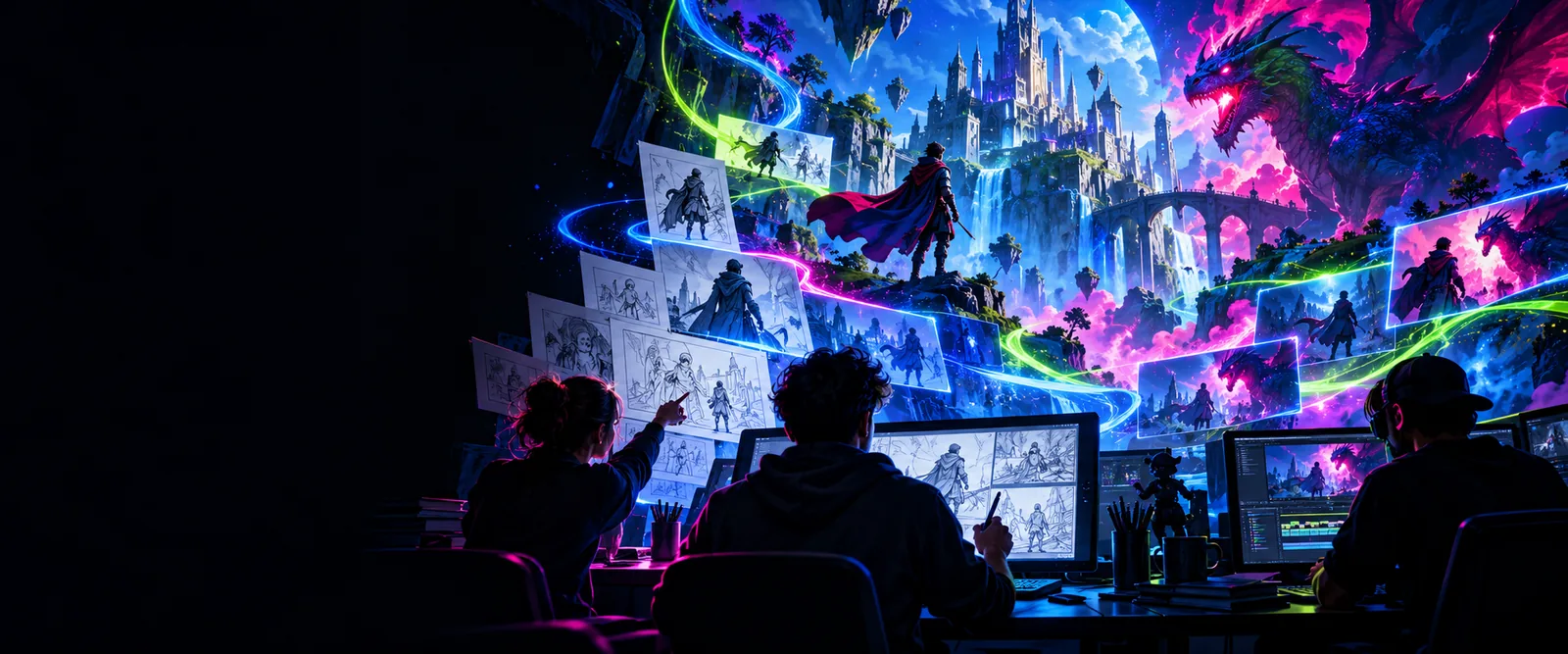
Pick by scenario
Three anime scenarios, one pick each
The best choice depends less on the label and more on what you need to make, revise, and share. These three situations give Oiioii a clear role without treating anime as a single fixed format.
-
1
You need a fast visual concept
Pick Oiioii when the goal is to explore a character, setting, prop, or atmosphere quickly. A focused prompt and a clear visual reference can help you test several directions before investing in a full anime production workflow.
-
2
You need a recognizable anime production
Pick a dedicated anime workflow when continuity, shot planning, character sheets, and deliberate animation decisions matter more than early exploration. Anime production is the stronger fit when the final result must follow an established visual language across many scenes.
-
3
You need a hybrid pitch or storyboard
Use Oiioii for early frames, mood tests, and visual alternatives, then move into an anime-oriented process for refinement. This split keeps ideation flexible while reserving detailed production work for the concepts that survive review.
Side by side
Capability matrix
Neither side is automatically better. Oiioii is most useful as a visual ideation path, while anime is better understood here as a production direction with stronger expectations around continuity and craft.
- Oiioii workflow
- Anime-focused workflow
Primary purpose
Oiioii workflow
Rapid visual exploration, references, and concept development.
Anime-focused workflow
A coherent visual production built around an anime-inspired language.
Starting point
Oiioii workflow
A concise idea, prompt, reference, or scene objective.
Anime-focused workflow
A broader plan that may include characters, shots, story beats, and style rules.
Iteration
Oiioii workflow
Convenient for trying alternate moods, compositions, and design directions.
Anime-focused workflow
More deliberate because changes may need to remain consistent across scenes.
Character continuity
Oiioii workflow
Requires active checking when the same character appears repeatedly.
Anime-focused workflow
Usually treated as a core production requirement from the beginning.
Style control
Oiioii workflow
Useful for steering toward a desired look through references and wording.
Anime-focused workflow
Stronger when a team has defined visual rules, model sheets, and review checkpoints.
Motion planning
Oiioii workflow
Best suited to still concepts, visual planning, or early scene exploration.
Anime-focused workflow
Better suited to timing, acting, shot transitions, and finished animation decisions.
Best audience
Oiioii workflow
Creators, writers, designers, and teams testing an idea before production.
Anime-focused workflow
Artists and production teams responsible for a complete anime-style sequence.
Main risk
Oiioii workflow
A compelling frame may not automatically become a consistent series of shots.
Anime-focused workflow
A larger process can slow experimentation before the central visual idea is proven.
Read the frame
Shared pitfalls
A comparison becomes useful when it exposes the failure points both approaches share. The strongest anime result still depends on a clear brief, visual references, and honest expectations about revision.
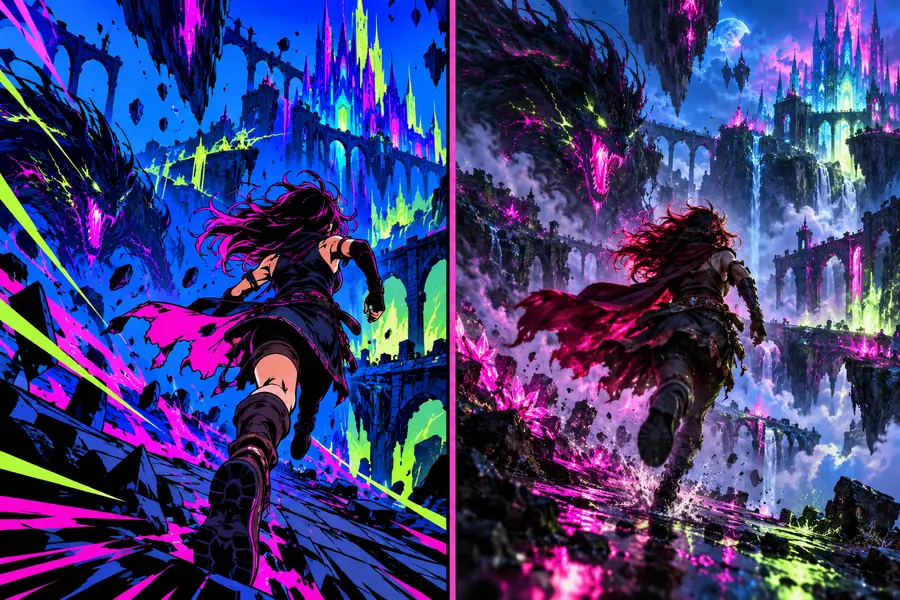 Loose visual direction
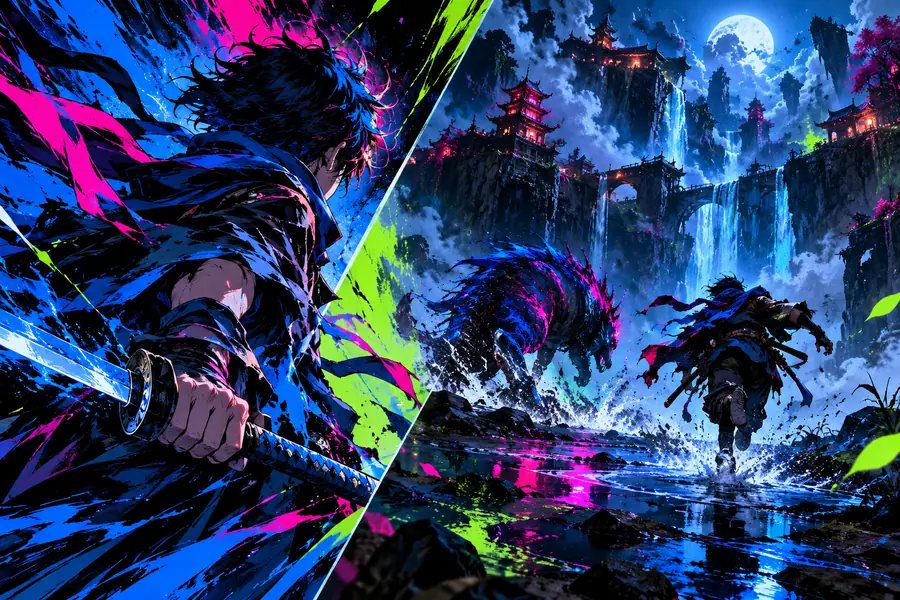 Defined anime direction
Practical tradeoff
Our tradeoff
Our view is that Oiioii works best when anime is the destination but not yet the full production obligation. It gives a creator room to test a character silhouette, scene mood, color direction, or visual hook before asking a larger team to solve continuity and motion. That makes it valuable at the front of an anime project, particularly when the brief is still changing. The tradeoff is that a strong Oiioii frame is evidence of an idea, not proof of a finished anime pipeline. You may still need character references, shot lists, style rules, manual cleanup, animation planning, and several rounds of review. Choose Oiioii when learning what the project should look like is the immediate job. Choose an anime-focused process when preserving that look across a complete sequence is the immediate job. If both needs are present, use Oiioii to narrow the creative field, then carry the selected direction into a disciplined anime workflow.
Test your visual direction- Start with one scene objective, not a vague genre label.
- Judge continuity separately from the appeal of a single frame.
- Keep the anime reference specific enough to guide decisions.
- Move into a structured production process when the concept is proven.
Clear answers
Comparison FAQ
No. Oiioii is better treated as a creative exploration route, while making anime usually involves a broader production process with character consistency, shot planning, timing, and revision. It can support anime-inspired ideation without replacing every production step.
Oiioii can be a practical choice when you are testing silhouettes, costumes, expressions, or scene moods. A dedicated anime workflow becomes more useful when the character must remain consistent across a larger set of poses, shots, or story moments.
Do not assume that a successful visual concept automatically provides a complete episode workflow. A finished episode also requires narrative planning, continuity, timing, sound, editing, and quality control, so the right process depends on the product capabilities and production work available to you.
Use references to communicate concrete choices such as composition, lighting, costume detail, or emotional tone rather than relying only on the word anime. Specific references make the brief easier to assess and reduce the risk of getting a generic result.
Choose it when consistency across scenes, deliberate movement, established character designs, or production handoffs matters more than quick visual exploration. Oiioii can still help at the concept stage, but the anime workflow should own the later decisions if continuity is critical.